When you buy a skincare product, the label is the most important part—but many people ignore it. Learning how to read skincare labels helps you choose safe, effective products and avoid harmful ingredients.
This beginner-friendly guide will explain everything in simple language so you can make smarter skincare decisions.
Why Reading Skincare Labels Is Important
Understanding product labels helps you:
- Choose safe ingredients
- Avoid skin irritation and breakouts
- Save money on the right products
- Follow a smart product buying guide
It also helps you avoid fake or misleading products when shopping online.
Basic Parts of a Skincare Label
Every skincare product label includes important information:
1. Ingredient List (INCI)
Ingredients are listed from highest to lowest concentration. The first 5 ingredients are the most important.
2. Active Ingredients
These are the ingredients that provide the main benefits, like:
- Vitamin C (brightening)
- Salicylic acid (acne control)
- Hyaluronic acid (hydration)
3. Brand & Manufacturing Details
Authentic products include clear brand and manufacturer information. This helps in how to identify fake products.
How to Read Skincare Labels Step by Step
Follow these simple steps:
✅ Step 1: Check the First 5 Ingredients
These make up most of the product. Look for items from a safe skincare ingredients list like:
- Glycerin
- Aloe vera
- Niacinamide
✅ Step 2: Identify Harmful Ingredients
Avoid ingredients like:
- Harsh sulfates
- Artificial fragrance
- High alcohol content
This is important for skincare ingredient safety.
✅ Step 3: Understand Ingredient Names
Some names may sound complex, but many are safe. For example:
- “Tocopherol” = Vitamin E
- “Ascorbic acid” = Vitamin C
✅ Step 4: Look for Certifications
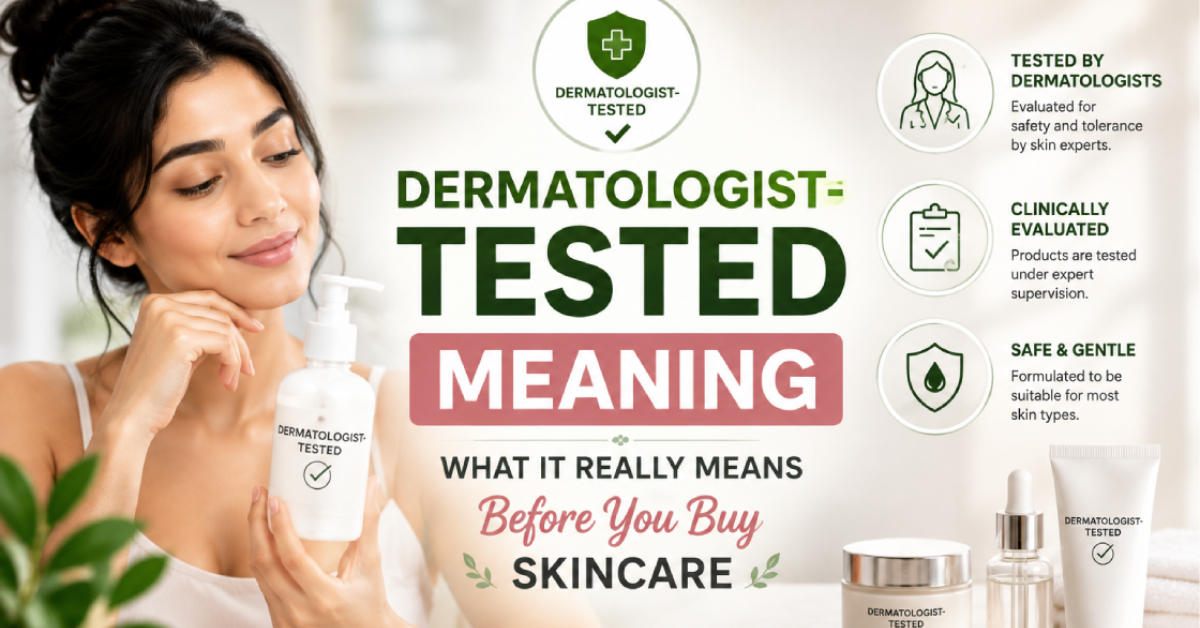
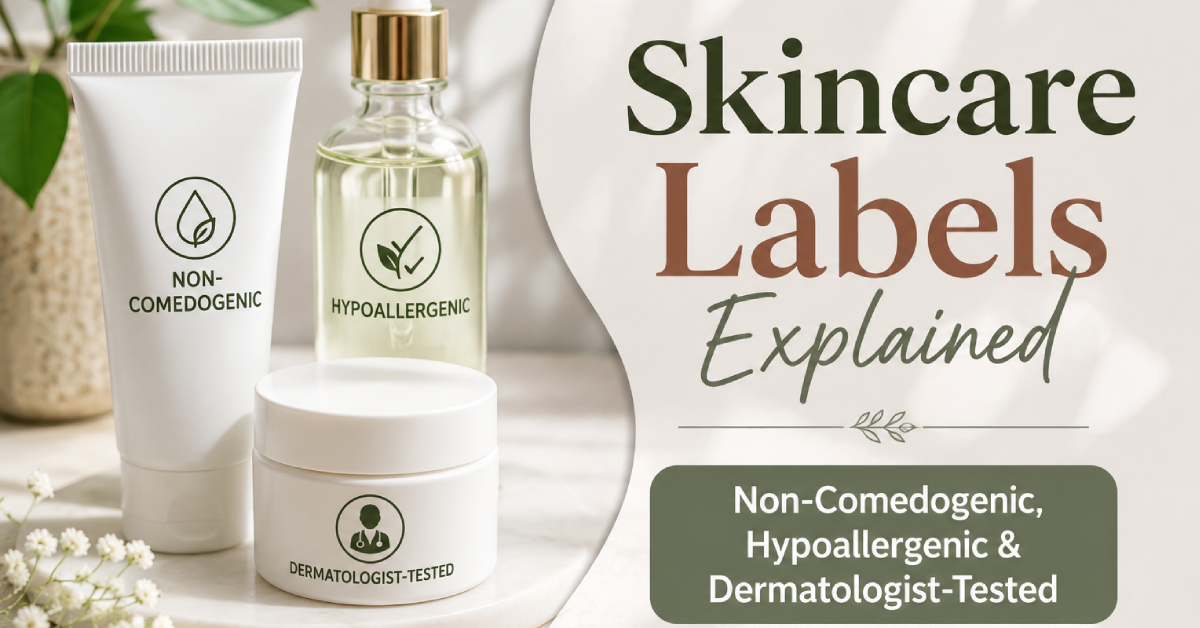
Labels like “dermatologist tested” or “non-comedogenic” can help guide your choice.
✅ Step 5: Check Product Claims Carefully
Don’t trust exaggerated claims like:
- “Instant whitening”
- “100% miracle results”
These can be misleading.
Safe vs Harmful Ingredients (Quick Table)
| Category | Safe Ingredients | Harmful Ingredients |
|---|---|---|
| Hydration | Hyaluronic acid, glycerin | Alcohol (high amount) |
| Soothing | Aloe vera, green tea | Artificial fragrance |
| Brightening | Vitamin C, niacinamide | Hydroquinone (overuse risk) |
| Cleansing | Mild surfactants | Harsh sulfates |
This table makes it easy to understand skincare ingredient safety.
How Labels Help Identify Fake Products
Learning how to identify fake products is easier when you check labels carefully.
🚨 Warning Signs:
- Spelling mistakes
- Poor print quality
- Missing expiry date
- No manufacturer details
Always compare the product with the official brand website before buying.
Common Mistakes Beginners Make
❌ Ignoring ingredient lists
❌ Buying based on packaging only
❌ Not checking expiry dates
❌ Trusting fake claims
Avoid these mistakes to follow a smart product buying guide.
Simple Tips for Beginners
- Choose products with fewer ingredients
- Look for known safe ingredients
- Avoid strong fragrances
- Do a patch test before use
These small steps can improve your skincare routine.
Final Thoughts
Learning how to read skincare labels is one of the best skills for healthy skin. It helps you choose safe products, avoid harmful ingredients, and make smart buying decisions.
Always focus on:
- Ingredient quality
- Safety
- Authenticity
FAQs: How to Read Skincare Labels
1. What is the most important part of a skincare label?
The ingredient list is the most important because it shows what the product contains.
2. How do I know if ingredients are safe?
Look for known safe ingredients and avoid harsh chemicals. You can follow a safe skincare ingredients list.
3. Can skincare labels help identify fake products?
Yes. Missing details, poor printing, or incorrect information can indicate fake products.
4. Should beginners read every ingredient?
You don’t need to know all ingredients, but focus on the main ones and avoid harmful ones.
5. What are common harmful ingredients to avoid?
Avoid harsh sulfates, artificial fragrance, and high alcohol content.