Acne-prone skin can be frustrating to manage. One day, your skin looks clear, and the next, new breakouts appear without warning. With thousands of skincare products available, choosing the right one can feel confusing. The truth is that effective skincare isn’t about buying expensive products, it’s about understanding the Ingredients for Acne-Prone Skin that actually work.
Many people unknowingly use products with harsh ingredients that strip the skin, weaken the skin barrier, or clog pores. Instead of improving acne, these products can make breakouts worse. Building a simple skincare routine with proven ingredients is a smarter approach for long-term skin health.
If you’re just starting your skincare journey, it’s helpful to first learn how to build a Skincare Routine so you can introduce new products gradually without overwhelming your skin.
In this guide, you’ll discover 10 dermatologist-recommended ingredients that help reduce breakouts, calm inflammation, control excess oil, and support healthier-looking skin. You’ll also learn what to look for on product labels and how to choose products safely.
Why Choosing the Right Ingredients Matters
Acne develops for several reasons, including excess oil production, clogged pores, bacteria, inflammation, and hormonal changes.
Using products formulated with the right ingredients can help address these concerns without irritating your skin.
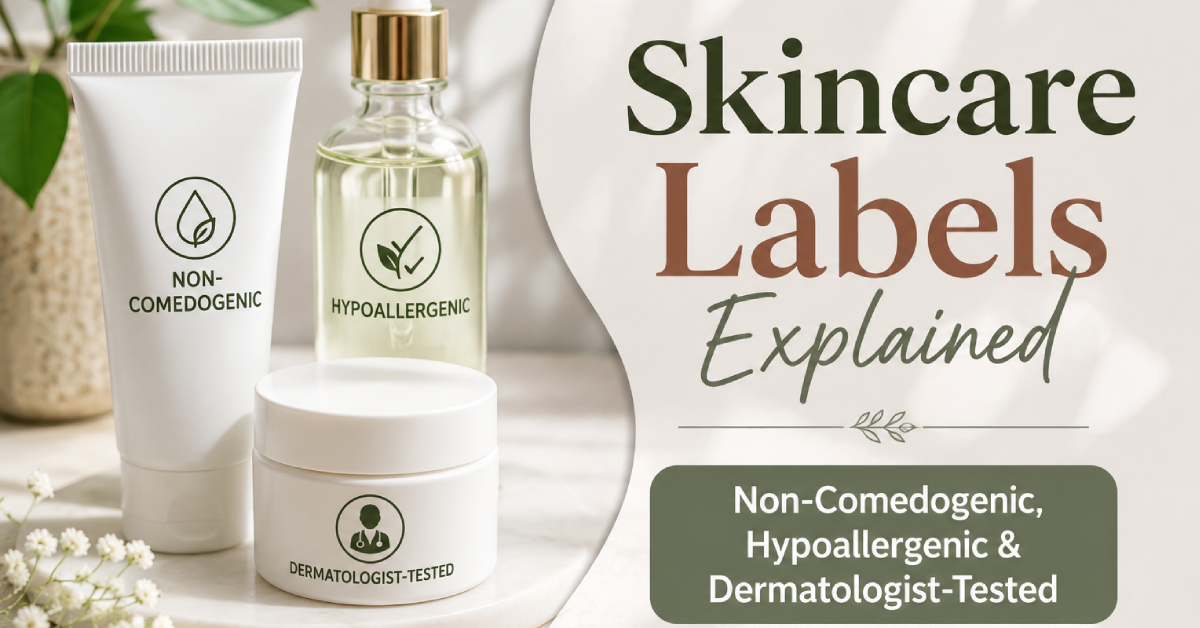
Before buying any skincare product, take time to How to Read Skincare Labels. Reading ingredient lists helps you understand what you’re putting on your skin and whether the product matches your skin type.
1. Niacinamide
Niacinamide is one of the most recommended Ingredients for Acne-Prone Skin because it supports multiple skin concerns at once.
It helps regulate excess oil, reduces redness, improves uneven skin tone, and strengthens the skin barrier.
Benefits
- Helps reduce excess oil
- Minimizes enlarged pores
- Calms redness
- Improves skin texture
- Supports the skin barrier
Niacinamide works well with most skincare ingredients and is suitable for beginners.
2. Salicylic Acid
Salicylic acid is a beta-hydroxy acid (BHA) that penetrates deep into pores to remove excess oil and dead skin cells.
This makes it especially effective for blackheads, whiteheads, and clogged pores.
Benefits
- Deep pore cleansing
- Reduces blackheads
- Helps prevent future breakouts
- Controls oil production
Start using salicylic acid two or three times a week and increase gradually if your skin tolerates it.
3. Azelaic Acid
Azelaic acid is a gentle ingredient suitable for many skin types, including sensitive skin.
It helps reduce acne-causing bacteria while improving post-acne marks and uneven skin tone.
Benefits
- Reduces inflammation
- Helps fade acne scars
- Brightens dull-looking skin
- Suitable for sensitive skin
People looking for clearer and brighter skin often combine acne care with a healthy skincare routine to improve overall skin appearance.
4. Tea Tree Oil
Tea tree oil is a popular natural ingredient known for its antibacterial properties.
When properly diluted, it may help reduce mild acne and calm inflamed pimples.
Benefits
- Helps reduce acne-causing bacteria
- Soothes inflamed pimples
- Controls excess oil
- Supports clearer skin
Always use products with properly formulated tea tree oil instead of applying concentrated essential oil directly to your skin.
5. Centella Asiatica (Cica)
Centella Asiatica, often called Cica, has become a favorite ingredient for calming irritated skin.
People with acne often experience redness and inflammation, and Cica helps soothe these symptoms while supporting skin barrier repair.
Benefits
- Calms irritated skin
- Supports skin healing
- Reduces redness
- Provides lightweight hydration
If you’re creating an acne routine, combine calming ingredients with products from a Safe Skincare Ingredients List instead of using harsh formulations.
Before trying new acne treatments, also learn about Ingredients to Avoid in Skincare Products and common Harmful Chemicals in Skincare that may trigger irritation or damage the skin barrier.
With these first five ingredients, you’re already building a strong foundation for healthier, clearer skin. In the next section, we’ll cover five more powerful ingredients, explain how natural ingredients can support acne-prone skin, and answer common questions to help you choose products with confidence.
6. Zinc PCA
If you have oily or acne-prone skin, Zinc PCA is an ingredient worth looking for.
It helps control excess oil without making your skin feel dry. It also supports the skin barrier and may reduce the appearance of blemishes over time.
Benefits of Zinc PCA
- Controls excess sebum
- Helps reduce clogged pores
- Supports skin healing
- Suitable for oily and combination skin
Choose lightweight serums or moisturizers that contain Zinc PCA if your skin becomes greasy during the day.
7. Aloe Vera
One of the most trusted Ingredients for Acne-Prone Skin is aloe vera.
It has soothing and hydrating properties that can calm irritated skin after breakouts.
Unlike heavy creams, aloe vera provides moisture without clogging pores.
Benefits of Aloe Vera
- Reduces redness
- Soothes inflamed pimples
- Keeps skin hydrated
- Supports skin repair
If you want to learn more about using aloe vera correctly, read our guide on Aloe Vera for Skin Care.
8. Green Tea Extract
Green tea is rich in antioxidants that help protect the skin from environmental damage.
It is also known for calming redness and reducing excess oil production.
Why it works
- Helps soothe irritated skin
- Supports a healthier skin barrier
- Reduces oiliness
- Rich in antioxidants
Green tea is often found in lightweight toners, serums, and moisturizers designed for acne-prone skin.
9. Hyaluronic Acid
Many people with acne avoid moisturizers because they fear clogged pores.
However, dehydrated skin can actually produce more oil.
Hyaluronic acid attracts moisture to the skin without feeling heavy.
Benefits
- Deep hydration
- Non-greasy texture
- Supports the skin barrier
- Works well with acne treatments
A well-hydrated skin barrier also helps reduce irritation caused by acne treatments.
10. Ceramides
Acne treatments can weaken the skin barrier.
Ceramides help repair and strengthen it.
Healthy skin is less likely to become irritated after using active ingredients.
Benefits
- Repairs damaged skin barrier
- Locks in moisture
- Reduces dryness
- Helps sensitive skin recover
Look for moisturizers containing ceramides if you’re using ingredients like salicylic acid or benzoyl peroxide.
Quick Comparison Table
| Ingredient | Main Benefit | Best For |
|---|---|---|
| Niacinamide | Controls oil & reduces redness | Oily skin |
| Salicylic Acid | Unclogs pores | Blackheads & acne |
| Azelaic Acid | Fades acne marks | Sensitive skin |
| Tea Tree Oil | Targets acne-causing bacteria | Occasional breakouts |
| Centella Asiatica | Calms irritation | Red, inflamed skin |
| Zinc PCA | Reduces excess oil | Oily & acne-prone skin |
| Aloe Vera | Soothes and hydrates | Sensitive skin |
| Green Tea Extract | Antioxidant protection | Redness & oily skin |
| Hyaluronic Acid | Hydrates without clogging pores | All skin types |
| Ceramides | Repairs skin barrier | Dry or irritated skin |
How to Choose Acne Products Carefully
Finding the right product isn’t only about looking for popular ingredients.
Always learn how to read skincare labels before buying.
Reading ingredient lists helps you:
- Identify active ingredients
- Avoid unnecessary fragrances
- Choose products suitable for your skin type
- Understand product strength
If you’re new to skincare, also explore our Gentle Cleanser for Beginners guide to choose a cleanser that won’t strip your skin.
Ingredients to Avoid if You Have Acne-Prone Skin
Just as important as choosing good ingredients is avoiding the wrong ones.
Some products contain harmful chemicals in skincare that may irritate sensitive or acne-prone skin.
Be cautious of:
- High amounts of drying alcohol
- Artificial fragrance
- Harsh physical scrubs
- Heavy pore-clogging formulations
You can learn more in our detailed guide on Ingredients to Avoid in Skincare Products before purchasing new products.

Natural Ingredients That Support Healthy Skin
Natural ingredients can complement an acne routine when used correctly.
Some excellent options include:
- Aloe vera
- Green tea
- Oat extract
- Chamomile
- Cucumber extract
If you’re interested in botanical skincare, explore our guides on Natural Ingredients to Brighten Skin and Natural Ingredients for Glass Skin.
These ingredients can improve hydration and overall skin appearance while supporting acne-prone skin.
Healthy Skin Is More Than Acne Control
Many people only focus on treating pimples.
Healthy skin also means maintaining hydration, strengthening the skin barrier, and improving overall texture.
Once acne is under control, you can gradually work on uneven tone by following our guide on How to Get Rid of Dull Skin Naturally.
Buy Authentic Skincare Products
Even the best ingredients won’t help if the product isn’t genuine.
Counterfeit skincare products may contain incorrect or unsafe ingredients.
Before purchasing online:
- Buy from trusted retailers
- Check batch numbers
- Inspect packaging quality
- Compare labels with the brand’s official images
Our article on How to Identify Fake Products explains how to spot counterfeit skincare before you buy.
Final Thoughts
Choosing the right Ingredients for acne-prone skin doesn’t have to be confusing. Focus on ingredients that are backed by research, support your skin barrier, and suit your skin type instead of following every trend.
Start with a gentle cleanser, introduce one active ingredient at a time, and be patient. Most skincare products take several weeks to show visible results. Reading labels, avoiding irritating ingredients, and buying authentic products can make a significant difference in your skincare journey.
A simple, consistent routine built around effective ingredients is often the best way to achieve clearer, healthier-looking skin.
Frequently Asked Questions
1. What are the best ingredients for acne-prone skin?
Niacinamide, salicylic acid, azelaic acid, Zinc PCA, ceramides, hyaluronic acid, aloe vera, and green tea extract are among the most commonly recommended ingredients for acne-prone skin.
2. Can aloe vera help acne-prone skin?
Yes. Aloe vera can soothe redness, reduce irritation, and provide lightweight hydration without clogging pores.
3. Should oily skin use moisturizer?
Yes. A lightweight, non-comedogenic moisturizer helps maintain the skin barrier and may reduce excess oil production.
4. How often should I use salicylic acid?
Most people benefit from using it 2–3 times per week at first. Increase frequency gradually if your skin tolerates it.
5. Can natural ingredients help acne?
Some natural ingredients, such as aloe vera and green tea extract, may help calm irritated skin. They work best as part of a balanced skincare routine.
6. How do I know if an acne product is genuine?
Purchase from authorized sellers, inspect the packaging carefully, verify batch information, and learn how to Identify Fake Products before buying online.
7. What ingredients should I avoid if I have acne-prone skin?
Avoid products with high amounts of drying alcohol, artificial fragrance, harsh scrubs, and other potentially irritating ingredients. Always read product labels before purchasing.