Choosing the right skincare products can be confusing, especially with so many ingredients listed on labels. Many people don’t know which ingredients are safe and which can harm their skin. That’s why having a clear, safe skincare ingredients list is important for healthy and glowing skin.
In this guide, you’ll learn about safe vs harmful skincare ingredients, what to look for, and which ingredients work best for different skin types.
Why Safe Skincare Ingredients Matter
Your skin absorbs what you apply to it. Using safe ingredients helps:
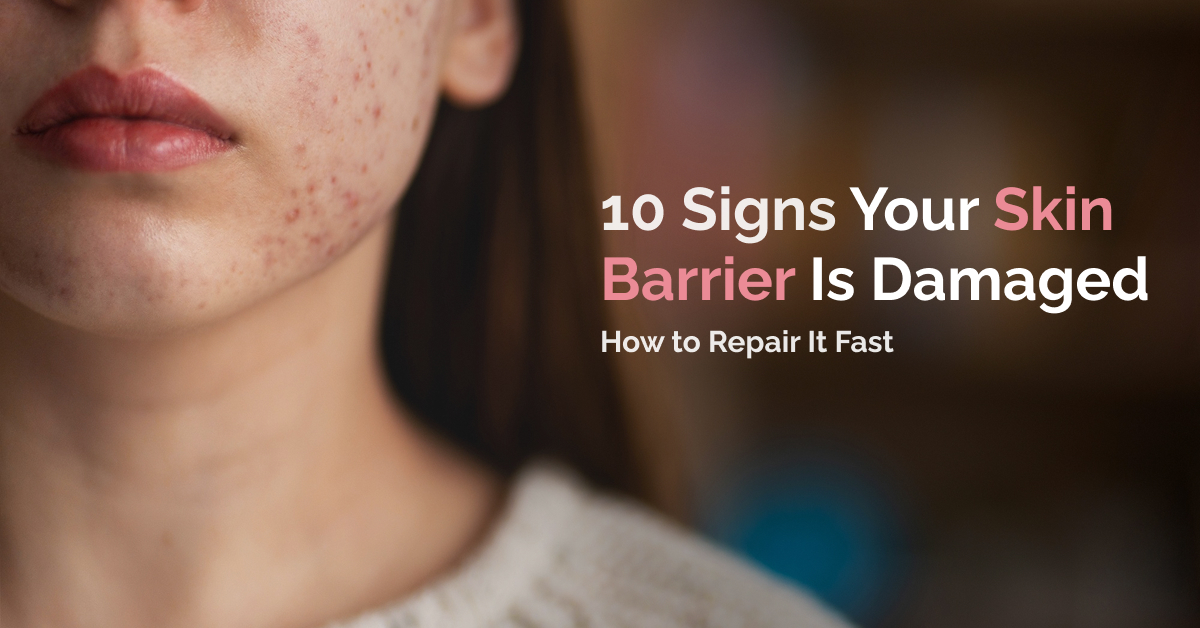
- Protect your skin barrier
- Prevent irritation and breakouts
- Maintain natural glow
- Support long-term skin health
On the other hand, harmful ingredients can cause dryness, redness, or even long-term damage.
Safe vs Harmful Skincare Ingredients
Understanding the difference between safe vs harmful skincare ingredients is the first step to better skincare.
🔍 Quick Comparison Table
| Category | Safe Ingredients | Harmful Ingredients |
|---|---|---|
| Hydration | Aloe vera, hyaluronic acid | Alcohol (high concentration) |
| Cleansing | Glycerin, mild surfactants | Sulfates (harsh) |
| Brightening | Vitamin C, niacinamide | Hydroquinone (overuse risk) |
| Fragrance | Natural extracts | Artificial fragrance |
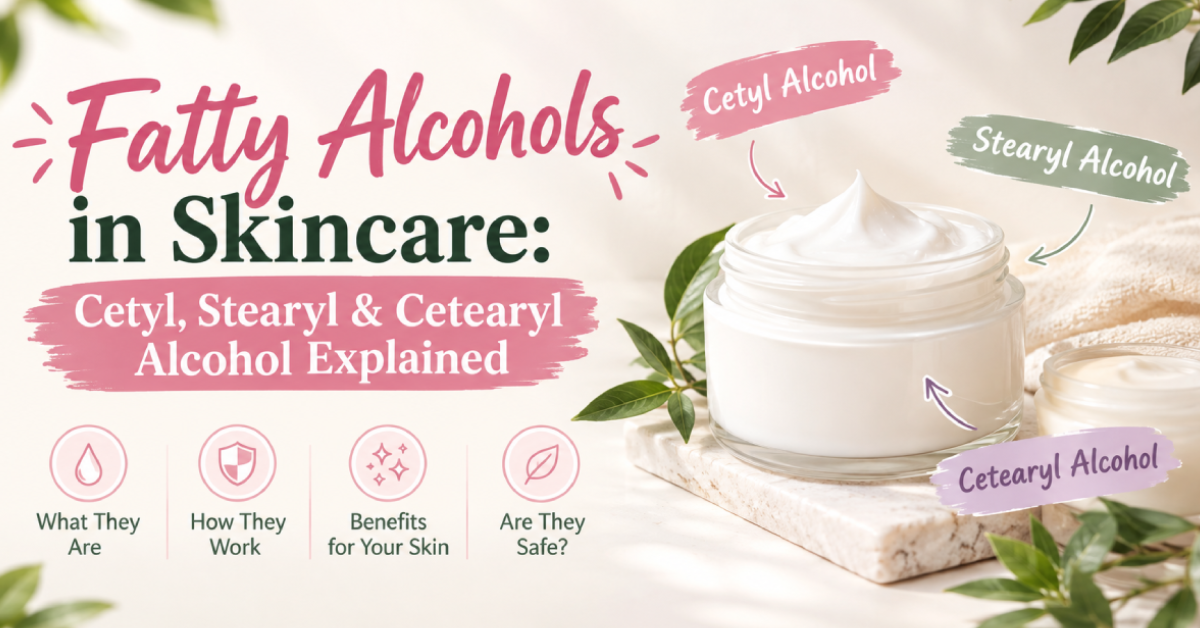
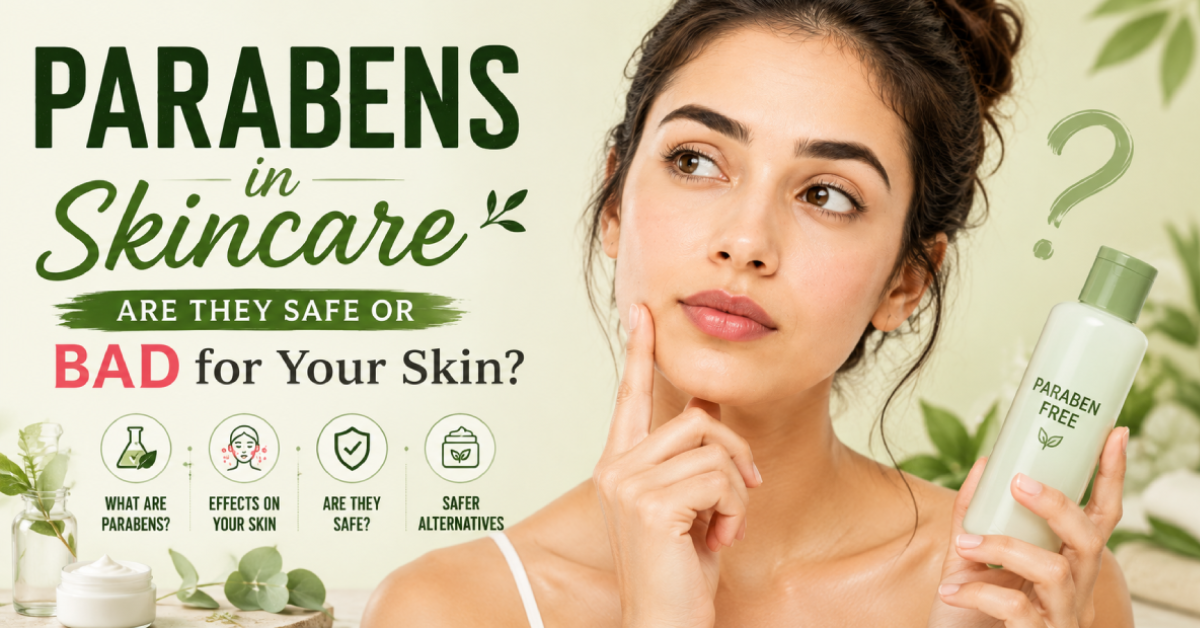
| Preservation | Natural preservatives | Parabens (controversial) |
This table helps you quickly identify what to use and what to avoid.
Clean Beauty Ingredients List (Safe Options)
A clean beauty ingredients list includes ingredients that are gentle, non-toxic, and effective.
🌿 Common Safe Ingredients:
- Aloe Vera – Soothes and hydrates
- Hyaluronic Acid – Deep hydration
- Niacinamide – Improves skin tone
- Vitamin C – Brightens skin
- Glycerin – Locks moisture
- Green Tea Extract – Antioxidant protection
- Rose Water – Refreshes skin
These ingredients are suitable for most skin types and safe for regular use.
Safe Skincare Ingredients for Oily Skin
Oily skin needs ingredients that control oil without drying out the skin.
Best Ingredients:
- Niacinamide
- Salicylic acid (gentle use)
- Green tea extract
- Aloe vera
- Witch hazel (mild use)
These safe skincare ingredients for oily skin help balance oil and reduce acne.
How to Read Skincare Labels
Many people ignore ingredient lists, but reading them is very important.
Simple Tips:
- Check the first 5 ingredients (highest concentration)
- Avoid long lists of unknown chemicals
- Look for known safe ingredients
- Be careful with strong fragrances
Understanding labels helps you choose products from a safe skincare ingredients list.
Common Harmful Ingredients to Avoid
Some ingredients may cause irritation or long-term issues.
⚠️ Avoid These:
- Harsh sulfates (SLS, SLES)
- Artificial fragrances
- High alcohol content
- Parabens (in some cases)
- Formaldehyde-releasing preservatives
Avoiding these helps protect your skin from damage.
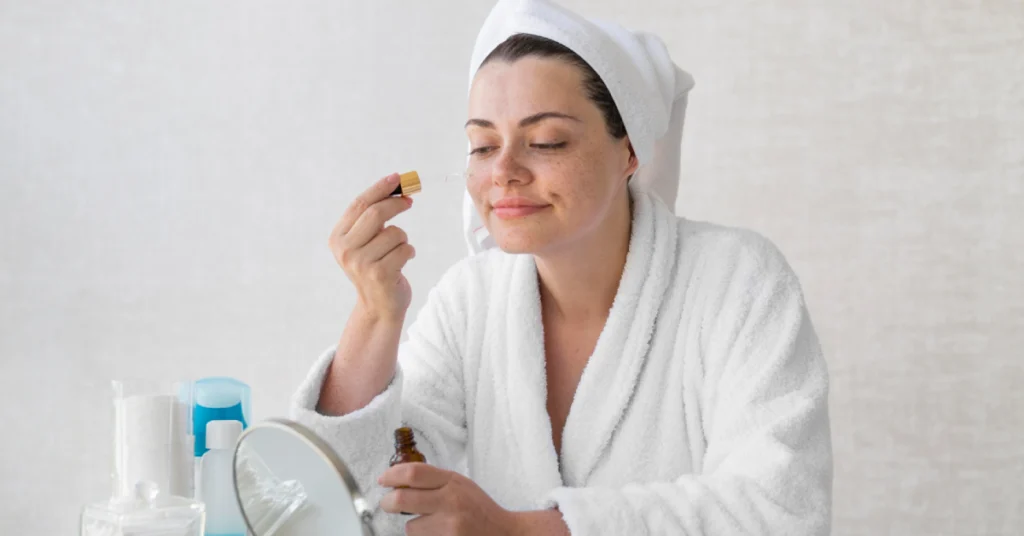
Simple Skincare Routine Using Safe Ingredients
You don’t need many products. A simple routine works best.
Morning:
- Gentle cleanser (with glycerin)
- Moisturizer (with hyaluronic acid)
- Sunscreen
Night:
- Cleanser
- Moisturizer
- Optional serum (niacinamide or vitamin C)
Using a clean beauty ingredients list makes your routine safe and effective.
Simple Skincare Routine Using Safe Ingredients
You don’t need many products. A simple routine works best.
Morning:
- Gentle cleanser (with glycerin)
- Moisturizer (with hyaluronic acid)
- Sunscreen
Night:
- Cleanser
- Moisturizer
- Optional serum (niacinamide or vitamin C)
Using a clean beauty ingredients list makes your routine safe and effective.
Final Thoughts
A well-planned safe skincare ingredients list helps you make better choices for your skin. By understanding safe vs harmful skincare ingredients, you can avoid damage and achieve healthy, glowing skin.
Always choose products with simple, clean ingredients and avoid harsh chemicals.
FAQs: Safe Skincare Ingredients List
1. What are the safest skincare ingredients?
Ingredients like aloe vera, glycerin, hyaluronic acid, and niacinamide are considered safe.
2. How do I know if an ingredient is safe?
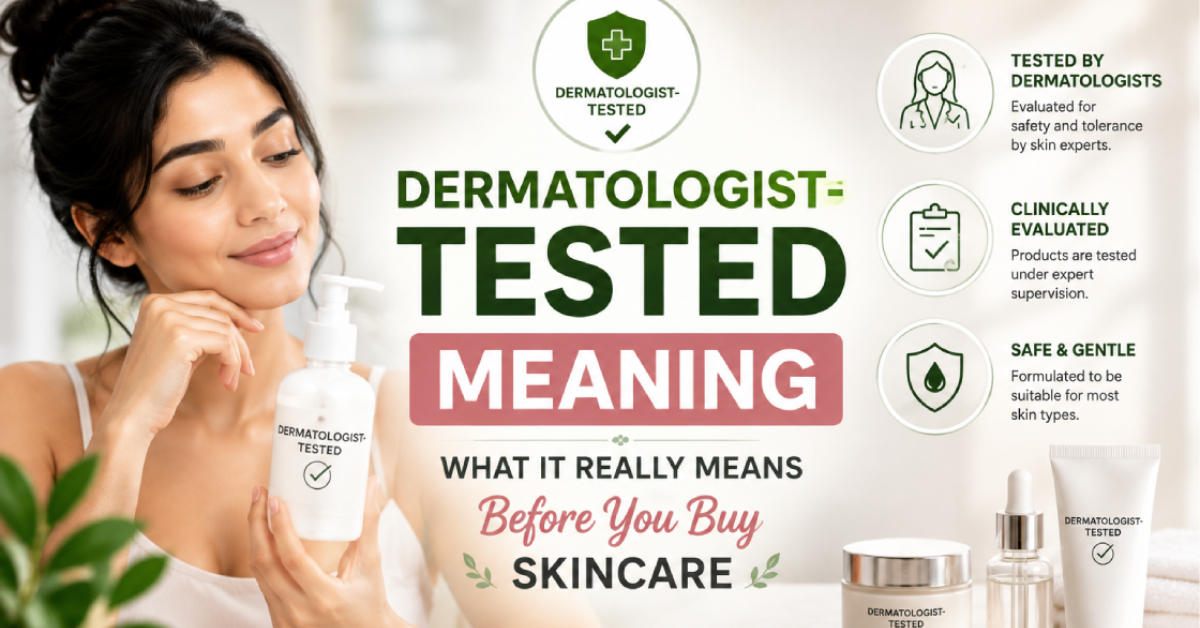
Check if it is widely used, dermatologist-approved, and suitable for your skin type.
3. Are natural ingredients always safe?
Not always. Some natural ingredients can still cause irritation, so always do a patch test.
4. What ingredients should I avoid in skincare?
Avoid harsh sulfates, artificial fragrances, and high alcohol content.
5. Can I use safe skincare ingredients daily?
Yes, most safe ingredients are designed for daily use.