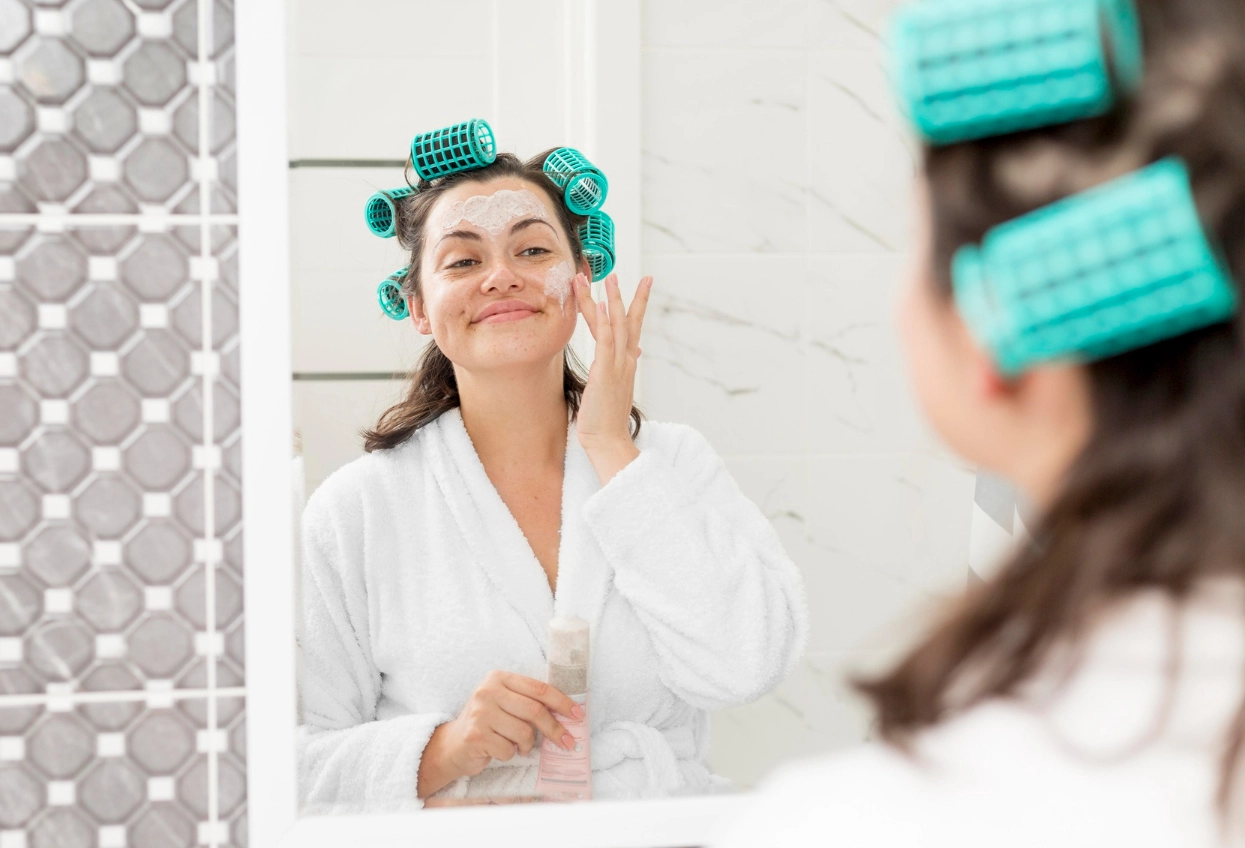
Dry skin can make your face look dull, rough, flaky, and tired. Even when you follow a daily skincare routine, your skin may still feel tight or lack its natural glow. The good news is that choosing the right serum can help improve skin hydration and make your face feel softer and smoother.
The Best Serum for Dry Skin is not necessarily the most expensive product. It contains hydrating and skin-barrier-supporting ingredients suited to your skin type. Ingredients such as hyaluronic acid, ceramides, glycerin, and squalane can help your skin retain moisture and look healthier.
In this guide, you will learn which ingredients to look for, how to choose the right serum, and how to use it in your daily routine for hydrated, glowing skin.
Why Does Dry Skin Look Dull?
Dry skin often lacks enough moisture, which can make its surface look rough and uneven. When dead skin cells accumulate, your complexion may appear less radiant.
Some common causes of dry and dull skin include:
- Cold weather, low humidity, and indoor heating.
- Using harsh cleansers that remove too much natural oil.
- Taking long, hot showers or washing your face with hot water.
- Skipping moisturizer after cleansing.
- Using too many exfoliating products.
- Not drinking enough fluids.
- Natural changes in the skin barrier with age.
Understanding the Dull Skin Causes and Treatment can help you build a skincare routine that addresses dryness instead of simply covering it up.

5 Key Ingredients to Look for in a Serum for Dry Skin
When looking for the Best Serum for Dry Skin, focus on ingredients that attract moisture, reduce water loss, and support your skin barrier.
1. Hyaluronic Acid: Helps Keep Skin Hydrated
Hyaluronic acid is a popular skincare ingredient because it attracts and holds water. It can help dry skin feel plumper, softer, and more comfortable.
A Hyaluronic acid serum for dry skin may be particularly useful if your face feels tight after cleansing or looks dehydrated.
Benefits:
- Helps attract moisture to the skin.
- Makes fine lines caused by dehydration less noticeable.
- Supports a smoother-looking complexion.
- Works well in a simple daily skincare routine.
How to use it: Apply a small amount to slightly damp skin, then follow with a moisturizer to help reduce moisture loss.
2. Ceramides: Support the Skin Barrier
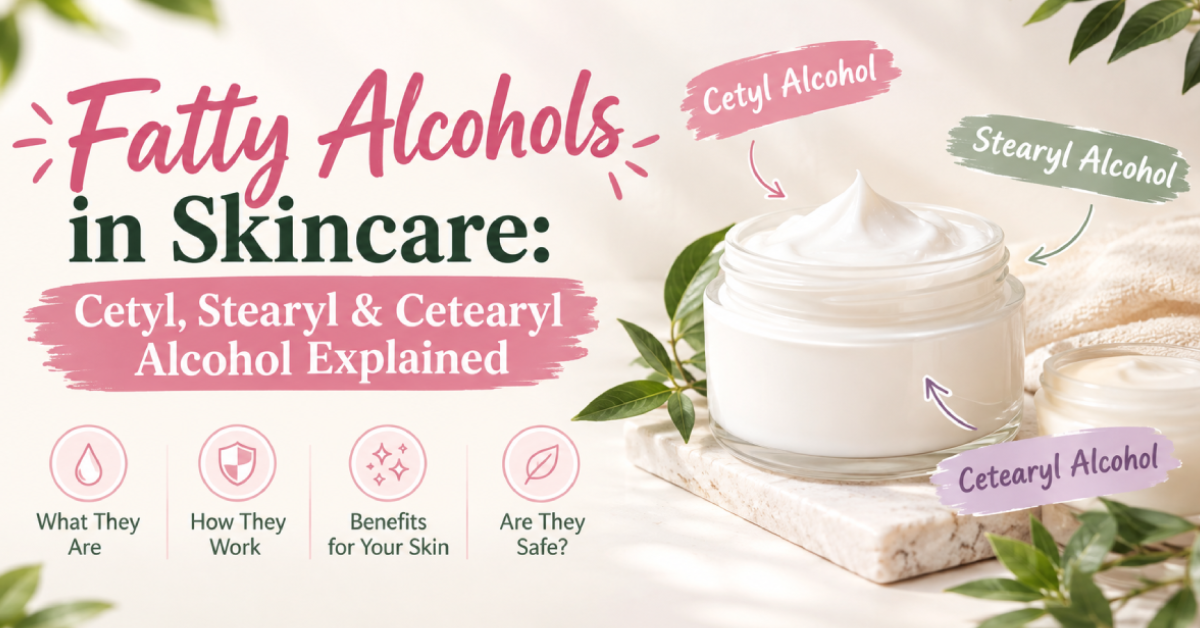
Ceramides are lipids naturally found in your skin barrier. They help maintain the barrier that keeps moisture inside and protects your skin from external irritants.
A Ceramide serum for dry skin can be a good option if your skin feels rough, tight, or easily irritated.
Benefits:
- Supports the skin’s natural protective barrier.
- Helps reduce moisture loss.
- Improves the feeling of dry, rough skin.
- Can be helpful for sensitive skin when formulated without irritating ingredients.
Ceramides work especially well alongside a moisturizer containing barrier-supporting ingredients.
3. Glycerin: A Simple Hydrating Ingredient
- Glycerin is a humectant, meaning it attracts water to the outer layers of the skin. It is commonly used in serums, cleansers, and moisturizers.
- It can help dry skin feel softer and more comfortable without requiring an expensive product.
- Look for glycerin in the ingredient list when choosing a serum for everyday hydration.
4. Squalane: Helps Soften Dry Skin
- Squalane is an emollient that helps soften the skin and improve its feel. It can also help reduce moisture loss when included in a suitable skincare formula.
- It is particularly useful for people who experience rough patches or a tight feeling after washing their face.
- Choose a lightweight formula if you prefer a serum that does not feel too heavy.
5. Niacinamide: Supports a Healthy-Looking Skin Barrier
- Niacinamide, a form of vitamin B3, can support the skin barrier and help improve the appearance of uneven skin tone.
- For dry or sensitive skin, a gentle formula with a modest concentration may be a better starting point than a strong product.
- If your skin is easily irritated, introduce new ingredients slowly and stop using a product if it causes persistent burning or redness.
| Concern Ingredients | Ingredients to look for | Why they may help |
|---|---|---|
| Tight, dehydrated skin | Hyaluronic acid, glycerin | Attract moisture |
| Rough, very dry skin | Ceramides, squalane | Support the skin barrier and soften skin |
| Dry and sensitive skin | Glycerin, ceramides | Help support hydration and barrier function |
| Dry skin with fine lines | Hyaluronic acid, glycerin | Reduce the appearance of dehydration lines |
| Dry skin with uneven tone | Niacinamide | Supports the barrier and improves the appearance of uneven tone |
For many people, the Best hydrating serum for dry skin is a simple formula containing glycerin or hyaluronic acid, with ceramides as an additional benefit. However, no single ingredient or serum works equally well for everyone.
Remember that a serum provides targeted hydration, while a moisturizer helps seal in moisture. Using both can be more helpful than relying on a serum alone.
How to Choose the Right Serum for Dry Skin?
Before buying a serum, consider these simple tips:
1. Check the ingredient list. Look for hydrating ingredients such as glycerin and hyaluronic acid, and barrier-supporting ingredients such as ceramides.
2. Avoid unnecessary irritation. If your skin is dry or sensitive, consider fragrance-free formulas and avoid introducing several strong active ingredients at once.
3. Choose a suitable texture. Lightweight serums may suit people who dislike heavy products, while dry skin may benefit from a richer serum followed by moisturizer.
4. Patch-test new products. Apply a small amount to a limited area first and observe your skin for a reaction before regular use.
5. Do not skip moisturizer. Even a good hydrating serum may not provide enough protection against moisture loss on its own.
Simple Skincare Routine for Dry, Glowing Skin
You do not need a complicated routine to care for dry skin. Consistency is more important than using many products.
Morning routine
- Cleanse with a gentle product or rinse with lukewarm water if your skin does not need a full cleanse.
- Apply your hydrating serum.
- Use a moisturizer suited to dry skin.
- Apply broad-spectrum sunscreen with SPF 30 or higher.
Night routine
- Cleanse your face with a gentle cleanser for dry skin.
- Apply your serum according to the product instructions.
- Follow with a nourishing moisturizer.
Avoid washing your face with hot water or scrubbing away flaky skin. These habits can worsen dryness and irritation.

Tips for Glowing Skin Without Makeup
Healthy-looking skin starts with gentle, consistent care rather than an excessive number of products. Try these practical habits:
- Apply moisturizer while your skin is slightly damp.
- Use sunscreen every morning to help protect against UV damage.
- Choose a gentle cleanser instead of harsh soaps.
- Get enough sleep and eat a balanced diet.
- Drink enough water to meet your body’s needs.
- Avoid picking at flaky skin or over-exfoliating.
- Introduce new skincare products one at a time.
For more ideas, read our guide to tips for glowing skin without makeup.
Common Mistakes to Avoid When Using Serum
Even the right serum may not give the results you expect if you use it incorrectly.
- Applying several new serums at the same time.
- Skipping moisturizer after using a hydrating serum.
- Using harsh exfoliants on already dry or irritated skin.
- Expecting overnight results.
- Choosing products only because they are popular online.
- Ignoring persistent redness, itching, or burning.
Give a gentle skincare routine time to work. Hydration may improve relatively quickly, while changes in skin texture can take several weeks. Results depend on your skin and the products you use.
Final Thoughts
Finding the Best Serum for Dry Skin starts with understanding what your skin needs. Hyaluronic acid and glycerin help attract moisture, while ceramides support the skin barrier and squalane helps soften rough skin.Choose a gentle formula, apply it consistently, and always follow with moisturizer. Add sunscreen in the morning and avoid harsh products that make dryness worse.
With a simple, suitable routine, you can help your skin feel more hydrated, smooth, and comfortable while supporting its natural glow.
Frequently Asked Questions
1. Which serum is best for dry skin?
A serum containing hyaluronic acid or glycerin can help attract moisture, while ceramides can support the skin barrier. Choose a formula suited to your skin’s sensitivity and follow it with moisturizer.
2. Is hyaluronic acid serum good for dry skin?
Yes. A Hyaluronic acid serum for dry skin can help attract water to the skin and improve the feeling of hydration. Applying moisturizer afterward helps reduce moisture loss.
3. Is a ceramide serum better than a hyaluronic acid serum?
Neither is always better. Hyaluronic acid mainly attracts moisture, while ceramides help support the skin barrier. Some people benefit from using both in their skincare routine.
4. Can I use serum every day on dry skin?
Many hydrating serums can be used daily, sometimes morning and night. Follow the product instructions and reduce use or stop if irritation develops.
5. Should I apply serum before or after moisturizer?
Generally, apply serum before moisturizer, following the product’s instructions. A moisturizer helps reduce water loss and keeps the skin feeling comfortable.
6. Can serum alone treat very dry skin?
A serum alone may not be enough. Very dry skin often needs a moisturizer containing ingredients such as ceramides, glycerin, or petrolatum to support the skin barrier and reduce moisture loss.
7. How long does a serum take to improve dry skin?
Some people notice improved hydration within a few applications, but visible changes in texture may take several weeks. Results depend on the formula, your skin condition, and your overall routine.